Explore Cameron Highlands - Malaysia Travel, Asia
Perched in the state of Pahang, Malaysia, the Cameron Highlands is a highland retreat famed for its tea plantations, strawberry farms, and cool mountain air. Often called the Green Jewel of Malaysia, this destination blends colonial charm with natural beauty, making it a favorite among both domestic travelers and international visitors. With rolling hills, lush forests, and Tudor-style cottages, Cameron Highlands offers a unique escape from the tropical heat of Kuala Lumpur or Penang.
Population: Approximately 43,000 in 2019.
Economy: Cameron Highlands’ economy is primarily driven by agriculture, tourism, and retail trade. The region is one of Malaysia’s most important suppliers of vegetables, tea, and flowers, with farms exporting produce nationwide and abroad. Tourism also plays a significant role, with visitors supporting local businesses, markets, and hospitality services.
Landmarks: Famous for the Boh Tea Plantation, Mossy Forest at Gunung Brinchang, and Lavender Garden & Butterfly Farm.
Malaysia
Overview of Cameron Highlands
History & Cultural Influence
The story of Cameron Highlands begins in the late 19th century when British surveyor William Cameron mapped the area during a colonial expedition. By the 1930s, the highlands were developed into a hill station, a cool retreat for British officers escaping the lowland heat. Alongside this, the indigenous Orang Asli communities have lived here for centuries, maintaining their traditions of farming, hunting, and crafting.
This blend of colonial heritage and indigenous culture gives Cameron Highlands a character unlike any other Malaysian destination. Walking through Tanah Rata or Brinchang, travelers can witness how modern tourism, agriculture, and cultural traditions coexist in harmony.
Interaction with the Locals
One of the highlights of visiting Cameron Highlands is the chance to engage with the locals, who are known for their warmth and hospitality. Travelers can join guided tours to Orang Asli villages, where they’ll learn about traditional bamboo houses, handicrafts, and ancestral ways of living. In the farmlands, you can chat with growers who cultivate tea, vegetables, and strawberries, gaining insight into Malaysia’s highland agriculture.
Top Attractions in Cameron Highlands
Boh Tea Plantation & Tea Museum
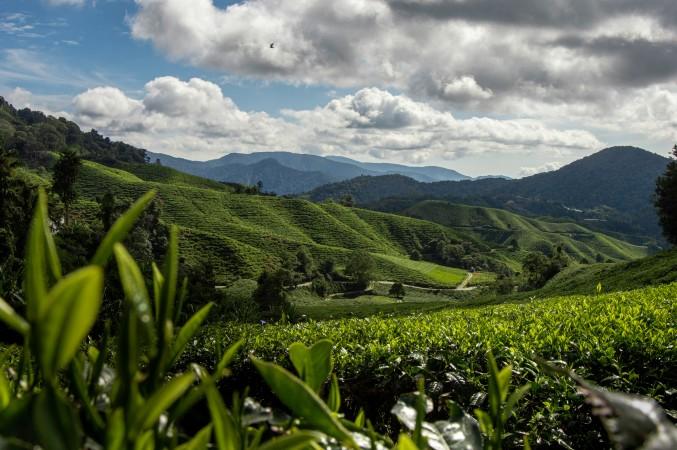
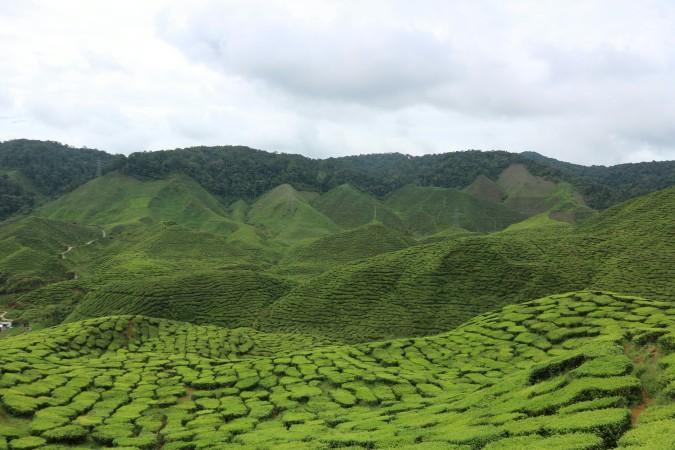
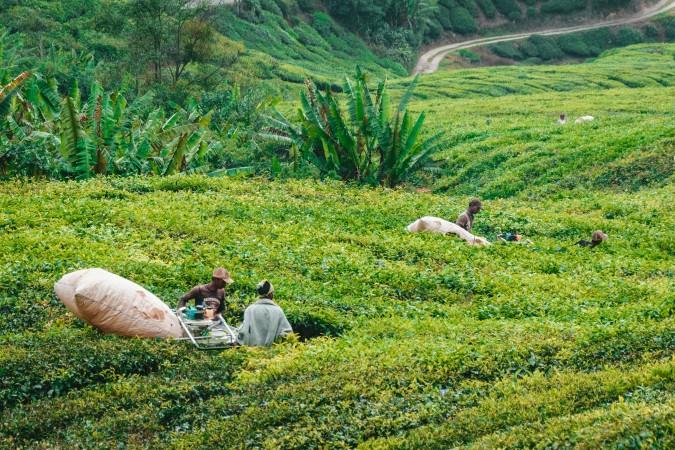
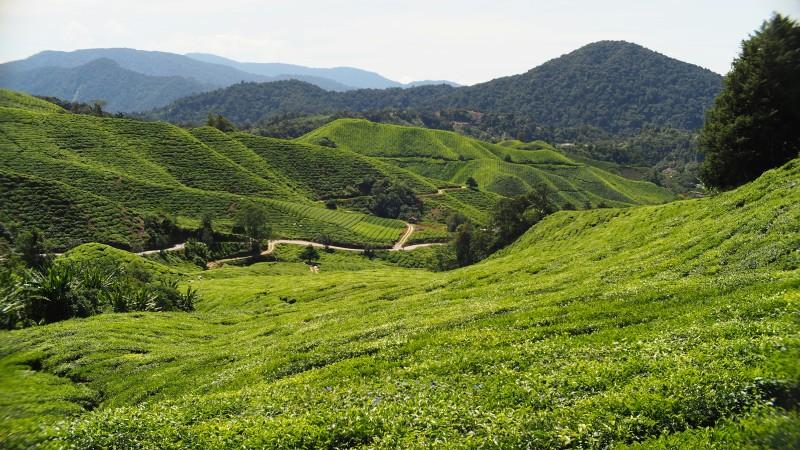
Founded in 1929 by J.A. Russell, the Boh Tea Plantation is the most famous tea estate in Malaysia. Its rolling green hills create postcard-worthy scenery, perfect for photography. Visitors can take a guided tour to learn how tea leaves are harvested and processed, then relax at the hilltop café with sweeping valley views. Don’t miss the Tea Museum, which preserves vintage machinery and stories from the early colonial tea trade.
Mossy Forest, Gunung Brinchang
The Mossy Forest is one of the oldest cloud forests in the region, perched more than 2,000 meters above sea level. Its mist-covered trees, moss-carpeted roots, and unique orchids make it feel like a scene from a fairytale. The boardwalk trail offers safe access for casual visitors, while adventurous trekkers can venture deeper with a local guide. The area is also rich in biodiversity, home to rare pitcher plants, ferns, and bird species.
Lavender Garden & Butterfly Farm
Families enjoy the Lavender Garden, filled with vibrant purple blooms, souvenir shops, and photo spots. The Butterfly Farm nearby showcases hundreds of butterfly species, alongside reptiles and small animals, making it an educational stop for children.
Strawberry Farms
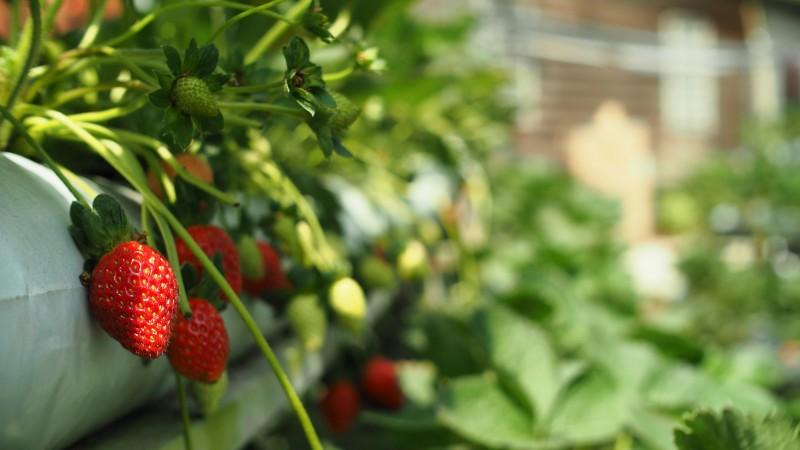
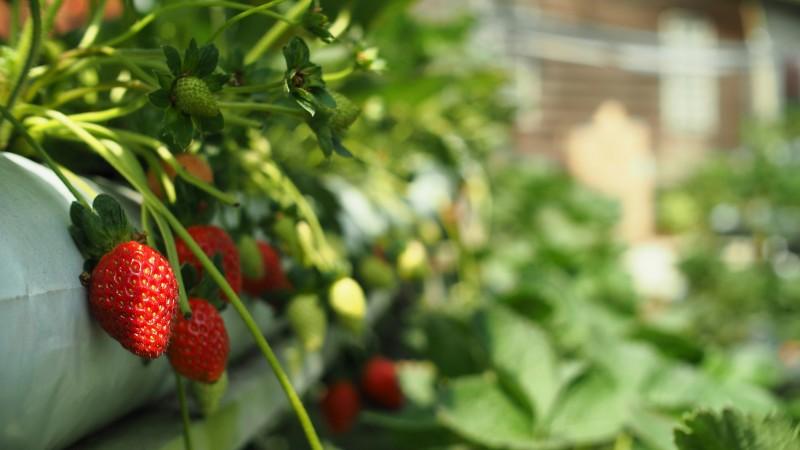
Cameron Highlands is Malaysia’s strawberry capital. Many farms allow visitors to pick strawberries straight from the vine, which is a fun, hands-on activity for tourists. Popular spots include Big Red Strawberry Farm and Raju’s Hill Strawberry Farm.
Must-Try Dishes in Cameron Highlands
- Steamboat Hotpot: A must-have meal when the air turns chilly, steamboat hotpot is a communal feast where diners cook meats, seafood, tofu, and vegetables in a simmering broth. Choose from tom yum, herbal, or chicken soup bases, and enjoy the flavors with chili sauce and garlic oil.
- Fresh Strawberries: Cameron Highlands is strawberry heaven. Pick your own at the farm, then enjoy them as strawberry ice cream, smoothies, waffles, pancakes, or dipped in chocolate.
- Highland Vegetables & Pearl Corn: Crisp, sweet, and organic, Cameron-grown vegetables are served fresh in stir-fries, stews, and even hotpot. Don’t miss the pearl corn, famous for its soft, juicy kernels.
- Nasi Lemak with Highland Herbs: You can find nasi lemak, Malaysia’s national dish, in most cafés and night markets. It's often served with highland vegetables, ginger flowers, and spicy sambal made with locally grown chilies.
- Char Kuey Teow: In Brinchang’s night market, try a local twist on Char Kuey Teow, flat rice noodles stir-fried with egg, prawns, sprouts, and soy sauce, often garnished with local herbs and mountain vegetables.
- Cameron Herbal Chicken Soup: This warming dish uses free-range chicken slow-cooked with ginseng, goji berries, and local herbs, reflecting both Malay and Chinese culinary roots. It's nourishing, rich in flavor, and perfect for the highland weather.
- Honey-Based Desserts & Drinks: Locally harvested wildflower and stingless bee honey is used in cakes, herbal drinks, and syrups. Visit Ee Feng Gu Bee Farm or Highlands Apiary Farm for honey tasting and treats.
Festivals & Local Celebrations
Cameron Highlands Flower Festival
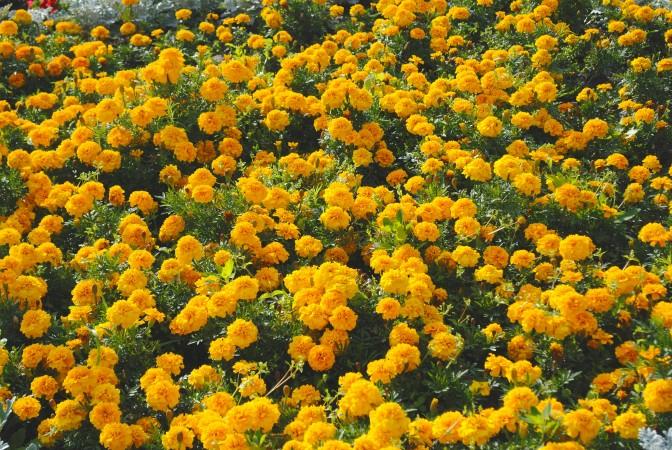
Held annually in Tanah Rata or Brinchang, the Cameron Highlands Flower Festival is a visual feast of vibrant blooms, parades, and gardening competitions. The event showcases the region’s floral diversity, from roses and dahlias to orchids and lavender. Visitors can enjoy flower exhibitions, plant sales, and street performances. It's one of the most colorful times to visit and is perfect for photographers and families.
Ramadan & Hari Raya Aidilfitri
During the Islamic holy month of Ramadan, many locals observe fasting, and the atmosphere becomes quieter during the day. However, in the evenings, food markets such as the Brinchang Night Market open with a wide variety of traditional Malay dishes, including lemang, satay, and kuih-muih. After Ramadan, Hari Raya Aidilfitri is celebrated with open houses, where visitors are often welcomed to join locals in enjoying festive meals and cultural hospitality.
Chinese New Year in the Highlands
Cameron Highlands is home to a large Chinese-Malaysian community, and Chinese New Year is celebrated with lion dances, red lanterns, and firecrackers. Businesses decorate their shops, and temples host traditional ceremonies. Local families gather for reunion dinners and pay respect to their ancestors. Markets offer seasonal snacks, mandarin oranges, and festive deals, especially in Brinchang.
Deepavali & Indian Cultural Events
Although the Indian community in the Highlands is smaller, Deepavali (Festival of Lights) is still observed. Visitors can enjoy bright decorations, Indian sweets, and cultural dances in smaller community events or temples around Ringlet and Tanah Rata. Some tea estate workers and local vendors may also participate in festive rituals and open-house traditions.
What to Do in Cameron Highlands
- Jungle Trekking & Hiking Trails: The cool climate makes trekking a pleasure. Popular trails include Mount Irau, known for its mossy forest scenery, and Gunung Brinchang, which offers panoramic views from the summit. Easier hikes, such as the trail to Robinson Falls or Parit Waterfall, are perfect for families.
- Tea Plantation Tours: At Boh Tea Plantation, you can join guided walks to see how tea is harvested, processed, and packaged. Enjoy a tea-tasting session at the estate’s café, which overlooks rolling green hills.
- Farm Visits & Agro-Tourism: Cameron Highlands thrives on agriculture, and many farms welcome visitors. Try strawberry-picking at Big Red Strawberry Farm, explore vegetable farms in Kea Farm, or visit a honey farm to taste fresh wildflower honey.
- Birdwatching & Photography: Nature lovers can explore the highlands with binoculars and cameras. The area is home to over 70 bird species, including the silver-eared mesia and mountain peacock-pheasant. Misty forests, waterfalls, and flower gardens also make perfect backdrops for photography.
- Wellness & Relaxation: For those seeking rest, many resorts and spas offer aromatherapy massages, herbal baths, and tea-based treatments. Coupled with the crisp mountain air, Cameron Highlands makes a rejuvenating escape.
Shopping in Cameron Highlands
- Kea Farm Market: Located near Brinchang, Kea Farm Market is one of the most popular shopping spots. Here, vendors sell fresh vegetables, strawberries, honey, flowers, souvenirs, and local snacks. Bargaining is common, and early morning is the best time to catch the freshest produce.
- Brinchang Night Market (Pasar Malam): Every weekend and during school holidays, Brinchang Night Market comes alive with food stalls, fruit vendors, and souvenir shops. It’s the best place to try street food such as fried mushrooms, grilled corn, and sweet potato balls while browsing handmade crafts, T-shirts, and trinkets.
- Golden Hills Night Market: For a more modern version, the Golden Hills Night Market in Tanah Rata offers similar products but with a more organized layout. It’s especially lively during festive seasons like Hari Raya or Chinese New Year.
Weather in Cameron Highlands: Best Time to Visit
Dry Season (March – September, 27°C–32°C)
This is the most popular period to visit. Clear skies, calm seas, and long hours of sunshine make it ideal for snorkeling, diving, and beach hopping. June to August is peak season, so expect lively crowds and book accommodations in advance.
Rainy Season (October – February, 25°C–30°C)
The monsoon brings heavier rain, especially in November and December. While boat trips may be affected, the lush landscapes and fewer tourists offer a quieter, more relaxed experience. Photographers will love the dramatic skies after a tropical shower.
Essential Travel Information
Getting Around Cameron Highlands
- Taxis and private cars: They can be hired and are the most convenient ways to get around. They can be arranged through hotels or local operators.
- Motorbikes: Rentals are available in Tanah Rata for adventurous travelers.
- Shuttles: Some attractions offer shuttle services or are accessible by walking if staying nearby.
ATM & Banking Services
Travelers visiting Cameron Highlands will find convenient banking and ATM facilities spread across the main towns of Tanah Rata and Brinchang. For international travelers, most ATMs accept Visa, Mastercard, Cirrus, and Maestro cards, though it is advisable to inform your bank before traveling to avoid card-blocking issues. While credit and debit cards are increasingly accepted in hotels, restaurants, and larger shops, cash remains king in local markets, night bazaars, and small eateries.
Where to Stay in Cameron Highlands
- Luxury & Boutique Stays: For travelers looking for comfort and charm, the highlands offer luxury resorts and boutique-style lodgings nestled in scenic settings. These accommodations often feature colonial-inspired architecture, spa services, afternoon tea, and panoramic views of tea plantations or mountain valleys.
- Mid-Range Hotels & Lodges: These offer clean, spacious rooms with standard amenities like Wi-Fi, on-site restaurants, and parking. They’re perfect for families or couples who want comfort at a reasonable price. Many are conveniently located near markets, eateries, and walking trails.
- Homestays & Farm Stays: For a deeper cultural experience, consider staying at a local homestay or farm stay. These options let you engage with local families, enjoy home-cooked meals, and even participate in farming or gardening activities. It’s a wonderful way to experience the everyday life and hospitality of the highland communities.
Articles for you
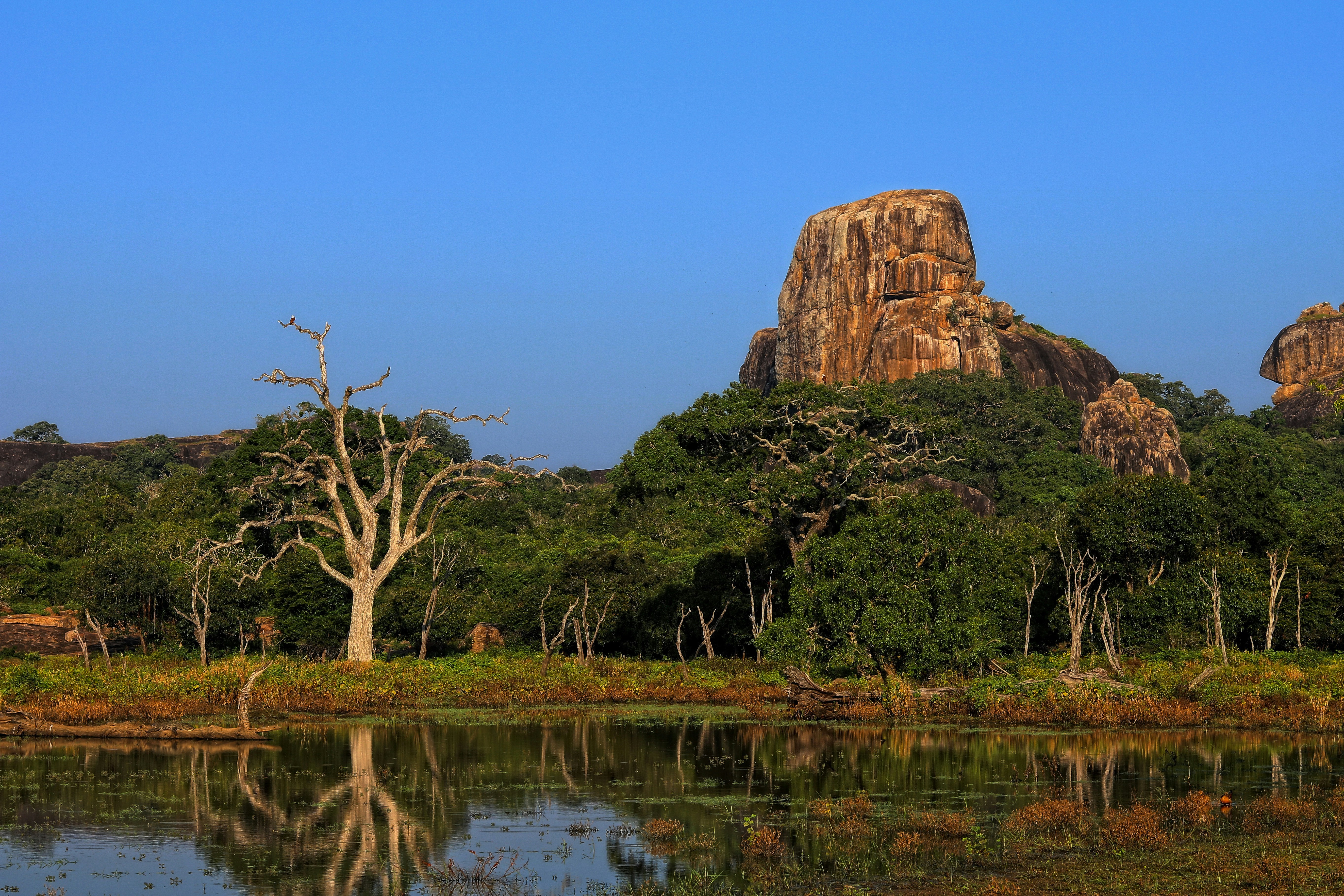
Explore Yala National Park - Sri Lanka Travel, Asia
Tucked away in Sri Lanka’s southeastern corner, Yala National Park is where wild nature meets deep tradition. Known worldwide for its leopard population, the park is also home to elephants, sloth bears, crocodiles, and hundreds of bird species. Beyond wildlife, Yala opens doors to a cultural landscape dotted with ancient temples, Buddhist ruins, and coastal villages. For travelers seeking more than just a safari, Yala offers a chance to explore eco-tourism, local communities, and sacred heritage sites.
Population: The Yala National Park area doesn’t have a human population.
Economy: The economy around Yala National Park thrives on a blend of eco-tourism, agriculture, and local services. Safari tours, eco-lodges, and cultural experiences drive steady income for nearby towns like Tissamaharama and Kataragama, supporting thousands of families.
Landmarks: Famous for Block I of Yala and wildlife encounters, including elephants, sloth bears, crocodiles, and exotic bird species.
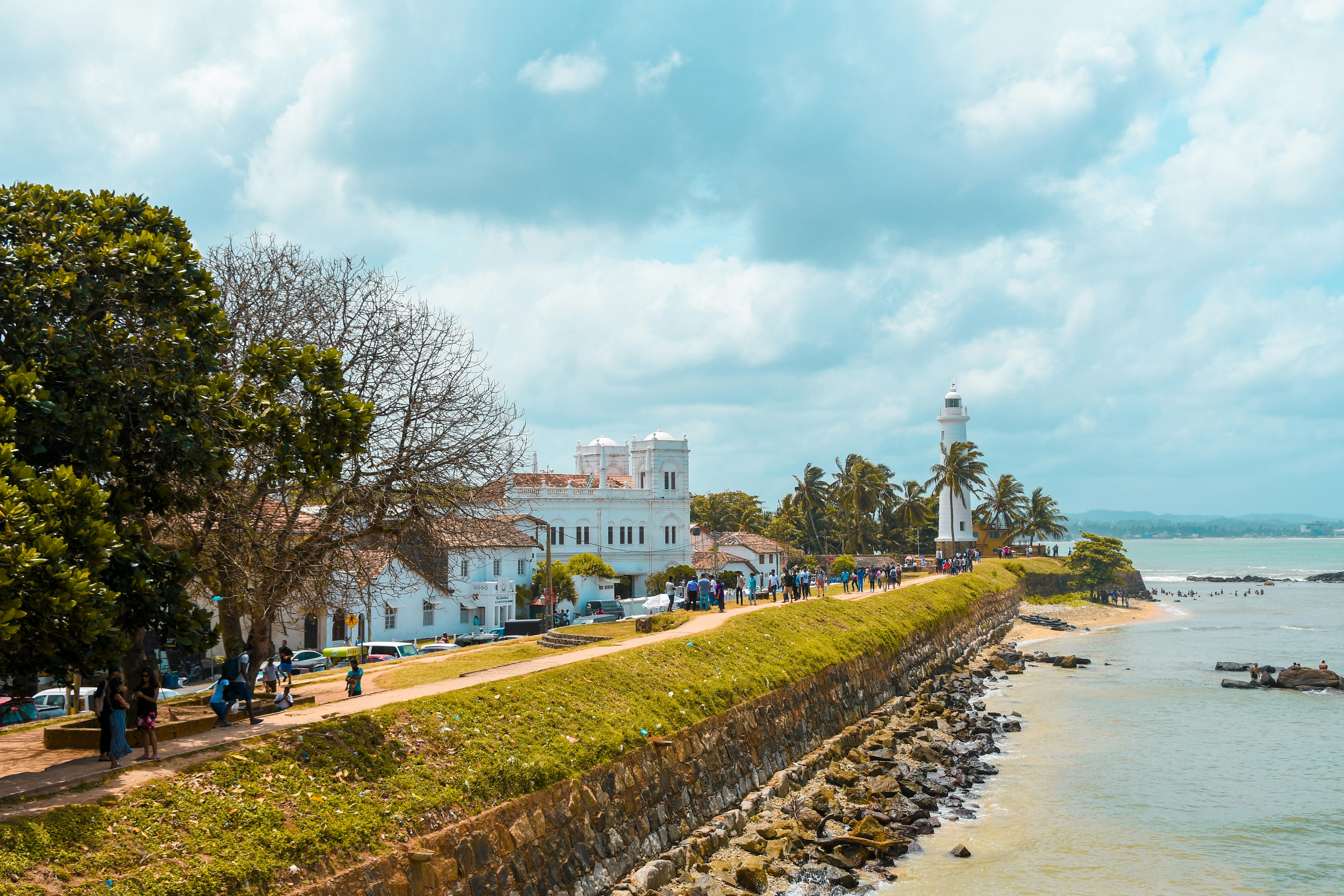
Explore Galle - Sri Lanka Travel, Asia
Nestled on Sri Lanka’s southern coastline, Galle is a vibrant city where history meets the sea. Its cobbled streets, colonial architecture, and serene beaches make it a must-visit destination for travelers seeking a blend of culture, adventure, and relaxation. A UNESCO World Heritage site, Galle captivates visitors with its Dutch Fort, bustling markets, and friendly locals. Whether you’re exploring the ramparts at sunset or savoring fresh seafood by the shore, Galle promises an unforgettable journey into Sri Lanka’s heritage.
Population: Approximately 113,000 in 2023.
Economy: Galle’s economy thrives on tourism, trade, and fisheries. The city’s historic fort, colonial architecture, and coastal charm draw thousands of international visitors each year, making tourism its main economic driver. Fishing remains vital for local livelihoods, supplying fresh seafood across the region.
Landmarks: Famous for the Galle Fort, Dutch Reformed Church & Maritime Museum, and Unawatuna Beach.
Explore Bentota - Sri Lanka Travel, Asia
Nestled along Sri Lanka’s southwestern coast, Bentota is a tropical paradise that blends golden beaches, vibrant culture, and thrilling adventures. Famous for its calm waters, luxury resorts, and scenic river estuary, Bentota has become a top destination for travelers seeking both relaxation and authentic experiences. From serene beach walks at sunrise to adrenaline-pumping water sports, this coastal town offers a perfect balance of leisure and exploration. With its proximity to Colombo and Galle, Bentota is easy to reach, making it an ideal stop for both short escapes and extended holidays.
Population: Approximately 37,000 in 2023.
Economy: Bentota’s economy thrives mainly on tourism, which drives local businesses such as hotels, restaurants, and wellness retreats. The town also benefits from fishing, coconut cultivation, and handicrafts like wood carving and batik textiles. Many residents rely on the growing demand for water sports and Ayurvedic treatments, making tourism the backbone of both income and employment in the area.
Landmarks: Famous for Bentota Beach, Bentota River Safari, and Kande Vihara Temple.
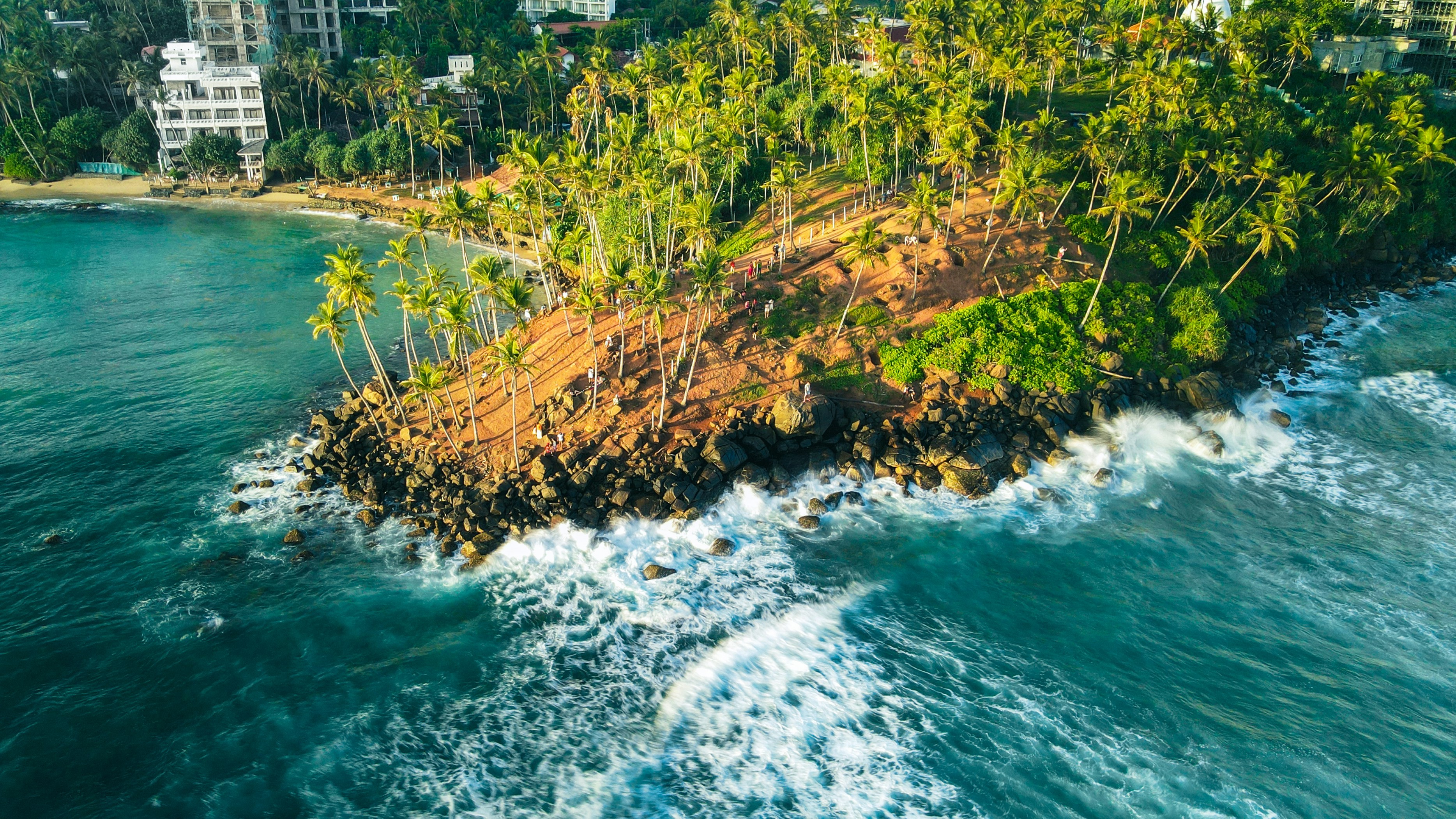
Explore Mirissa - Sri Lanka Travel, Asia
Mirissa is a charming coastal town on Sri Lanka’s southern shoreline. Known for its golden beaches, turquoise waters, and vibrant marine life, it has become a must-visit stop for travelers exploring the island. Many come for whale watching, surfing, and sunset views at Coconut Tree Hill, but Mirissa offers much more than postcard beauty. The fishing boats you see anchored by the bay carry generations of stories. Local traditions, delicious cuisine, and a laid-back rhythm of life shape every visitor’s experience.
Population: Approximately 4,700 in 2023.
Economy: Mirissa’s economy is largely shaped by its coastal location. Fishing has long been the backbone of local livelihoods, with generations relying on the Indian Ocean for income. In recent decades, tourism has become the main driver of growth, thanks to whale watching, surfing, and beachside hospitality.
Landmarks: Famous for Mirissa Beach, Coconut Tree Hill, and Parrot Rock Bridge.
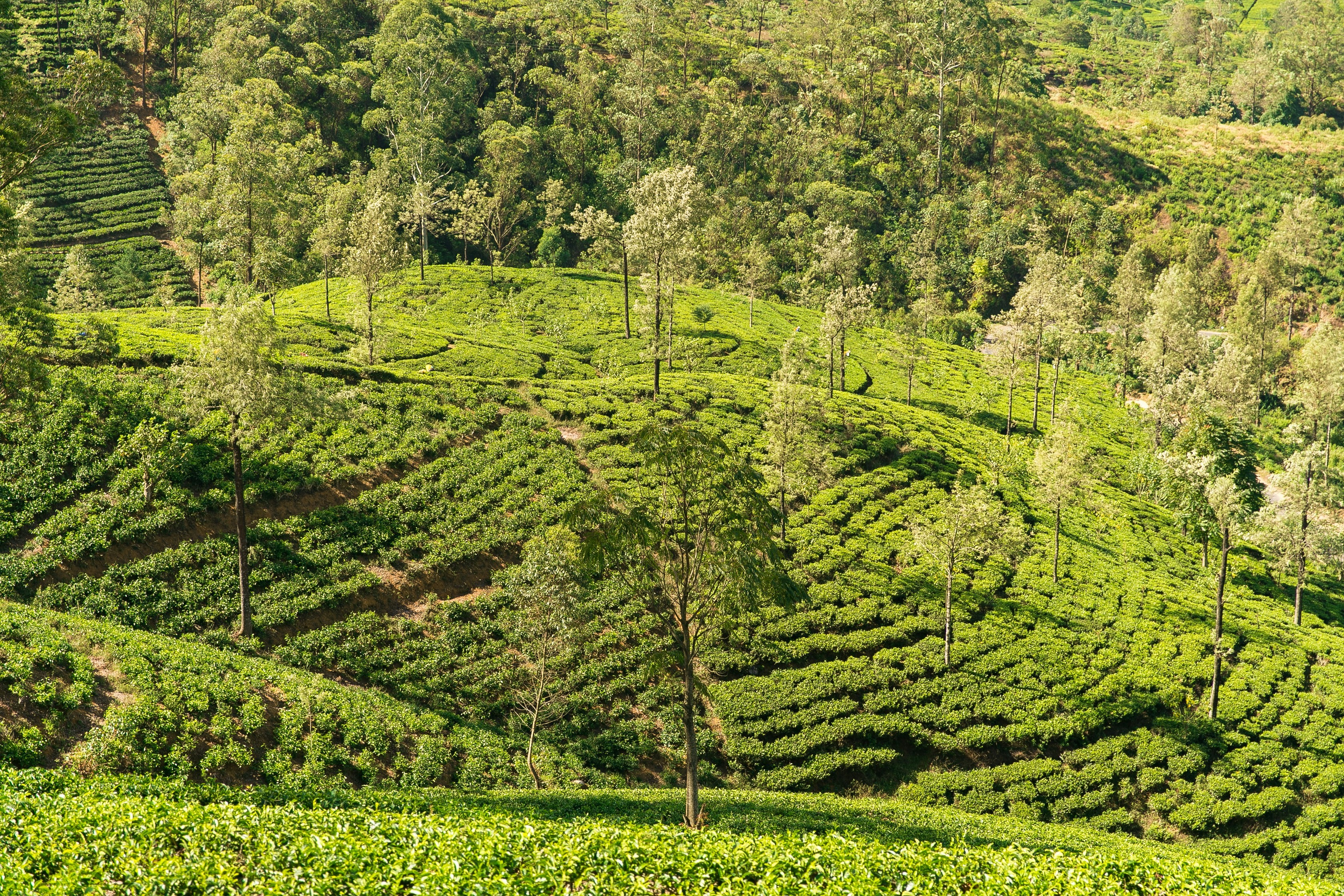
Explore Nuwara Eliya - Sri Lanka Travel, Asia
Tucked away in the Central Highlands of Sri Lanka, Nuwara Eliya is often called “Little England”. With its rolling tea plantations, cool misty mornings, and colonial charm, this mountain town feels like a step into another world. Travelers come here to breathe fresh air, walk through flower gardens, sip the finest Ceylon Tea, and enjoy a pace of life far from the island’s busy cities. Whether you’re drawn by scenic landscapes, heritage architecture, or the warmth of its people, Nuwara Eliya is a destination that blends nature, culture, and history in perfect harmony.
Population: Approximately 781,000 in 2023.
Economy: Nuwara Eliya’s economy thrives mainly on tea production, as it sits in the heart of Sri Lanka’s central highlands, famous worldwide for Ceylon Tea. The city also benefits from a growing tourism industry, attracting visitors with its colonial charm, cool climate, and scenic landscapes.
Landmarks: Famous for Gregory Lake, Hakgala Botanical Garden, and Victoria Park.
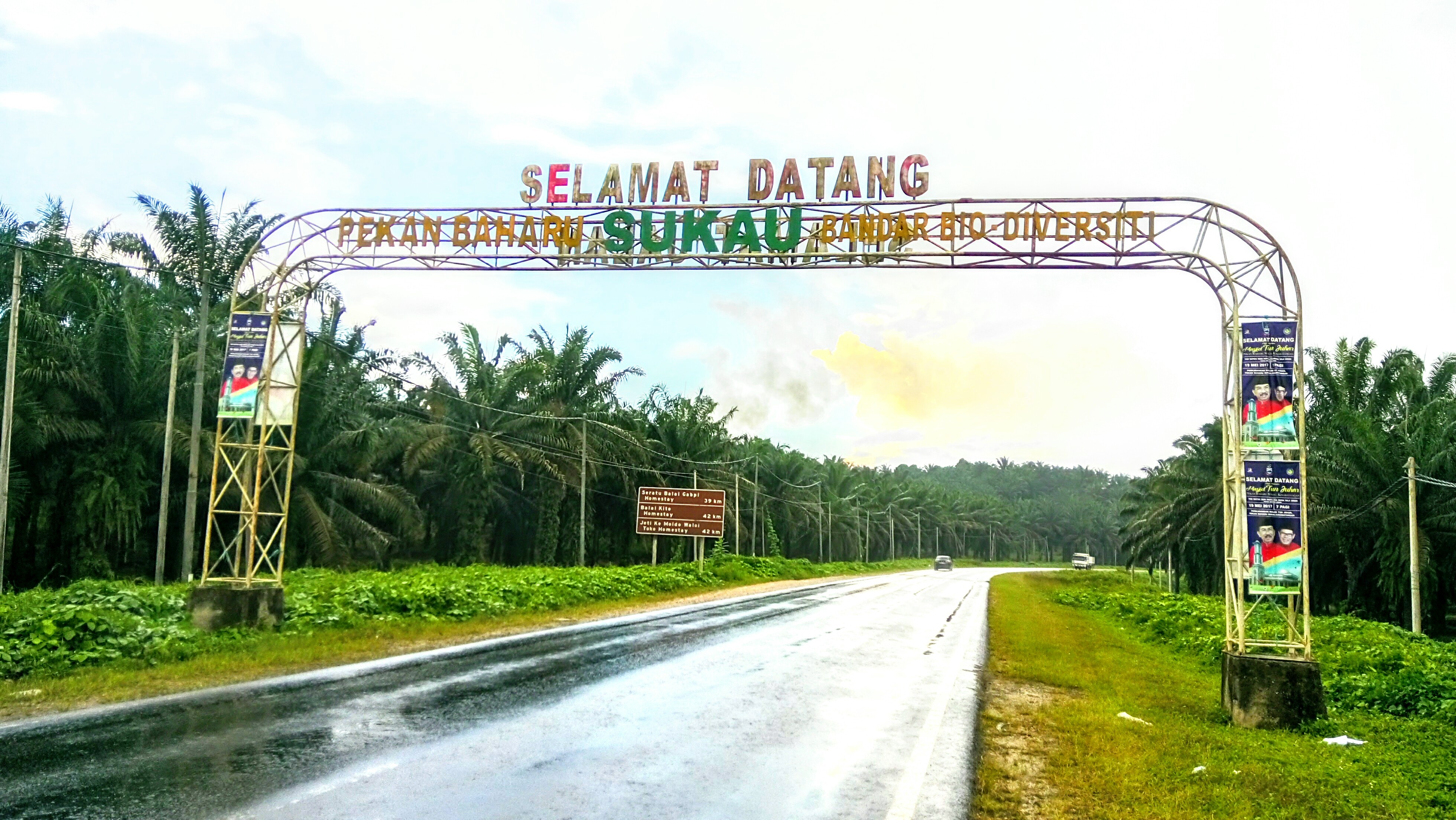
Explore Sukau - Malaysia Travel, Asia
Nestled on the banks of the Kinabatangan River in Sabah, Malaysian Borneo, Sukau is a destination where wildlife, culture, and conservation come together. Known as one of Asia’s top spots for river safaris and eco-tourism, this quiet village offers a front-row seat to encounters with Bornean orangutans, pygmy elephants, proboscis monkeys, and exotic birdlife.
Population: Approximately 1,400 in 2019.
Economy: Sukau’s economy is shaped by its riverine location and natural resources. Traditionally, the Orang Sungai community relied on fishing, small-scale farming, and forest gathering for their livelihood. Today, the village has shifted toward eco-tourism, with river cruises, jungle trekking, and homestays providing income.
Landmarks: Famous for the Kinabatangan River cruises, Gomantong Caves, and Ox-bow lakes and wetlands.
Follow Us